
Hello, young learners! Are you ready for an exciting adventure into the world of English? Today, we’re going to learn something super fun and useful: how to describe people! Imagine you meet a new friend, or you want to tell your parents about someone you saw. How can you tell them what that person looks like or what they are like? That’s exactly what we’ll discover today.
Why is Describing People Important?
Describing people helps us:
- Introduce new friends: "This is my new friend, Lily. She has long, brown hair."
- Share information: "I saw a boy wearing a blue shirt and a red cap."
- Understand stories: When we read or listen to stories, we need to imagine the characters. Describing them helps us do that!
- Be more observant: Learning to describe people makes us look closely at the world around us.
In this lesson, we will focus on two main ways to describe people: physical appearance (what they look like on the outside) and personality (what they are like on the inside).
Part 1: What Do They Look Like? (Physical Appearance)
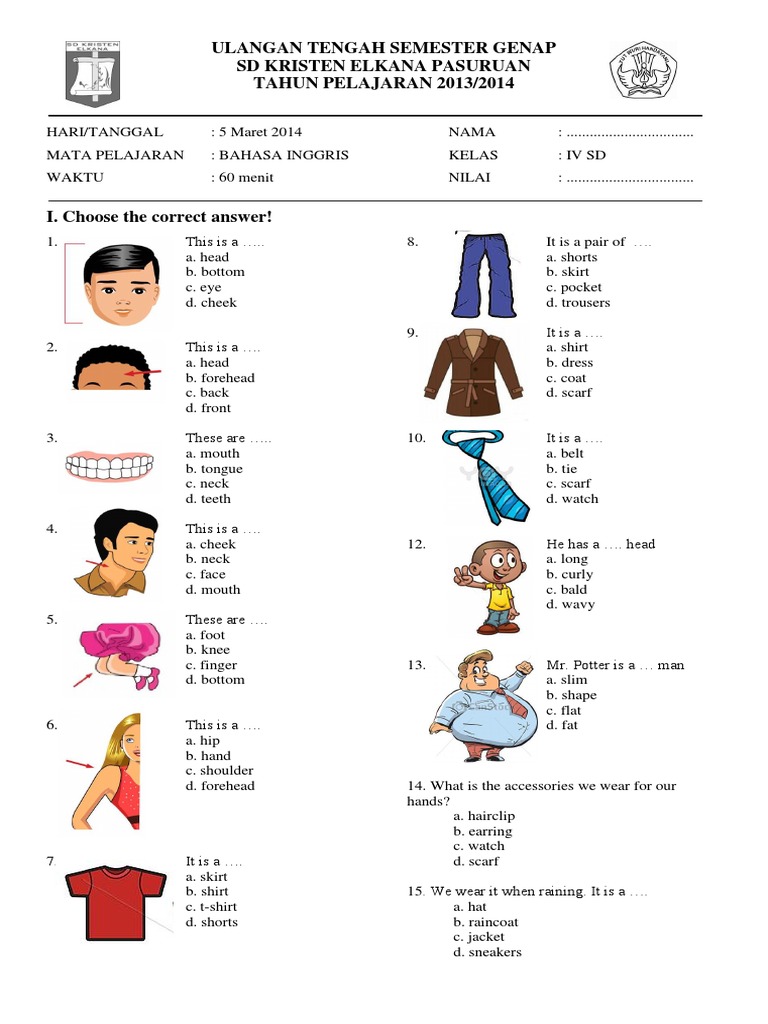
When we describe someone’s physical appearance, we talk about their body, their hair, their eyes, and what they are wearing. Let’s break it down!
1. Height and Build
How tall is someone? Are they big or small?
- Tall: Someone who is very high up.
- Example: "The basketball player is very tall."
- Short: Someone who is not very high up.
- Example: "My little brother is still short."
- Medium height: Not too tall, not too short.
- Example: "My teacher is of medium height."
What about their body shape?
- Slim/Thin: Not fat, with a small body.
- Example: "The ballerina is very slim."
- Fat/Chubby: Having a lot of flesh, round. (Use "chubby" for children, it’s kinder!)
- Example: "The baby has chubby cheeks."
- Strong/Muscular: Having strong muscles.
- Example: "The superhero is very strong."
Let’s Practice!
Look at your friends. Is your friend taller than you? Is your friend slim or chubby?
- My friend, , is tall.
- My friend, , is short.
- My friend, , is slim.
- My friend, , is chubby.
2. Hair
Hair is one of the most noticeable things about a person. We can describe its color, length, and style.
Color:
- Black: The darkest color.
- Example: "My dad has black hair."
- Brown: A common color, like chocolate.
- Example: "Sarah has beautiful brown hair."
- Blonde: Light yellow or golden hair.
- Example: "The cartoon character has blonde hair."
- Red/Ginger: Like the color of a carrot or fire.
- Example: "He has bright red hair."
- Gray/White: Usually for older people.
- Example: "Grandma’s hair is white."
Length:
- Long: Goes down a long way.
- Example: "She has long, wavy hair."
- Short: Does not go down very far.
- Example: "The boy has short, spiky hair."
- Shoulder-length: Reaches to the shoulders.
- Example: "My sister’s hair is shoulder-length."
Style/Texture:
- Straight: Goes in a direct line.
- Example: "My hair is straight."
- Wavy: Like small waves in the sea.
- Example: "Her hair is wavy and shiny."
- Curly: Forms curls or spirals.
- Example: "He has curly hair that bounces."
- Spiky: Stands up in points.
- Example: "The boy’s hair is styled in spiky points."
- Bald: Has no hair.
- Example: "The old man is bald."
Let’s Practice!
Describe your own hair or the hair of someone you know.
- I have long, brown, straight hair.
- My friend, , has short, black, curly hair.
- My mom has shoulder-length, blonde, wavy hair.
3. Eyes
Eyes are often called the "windows to the soul"! We describe them by color.
- Black: Very dark eyes.
- Example: "Her black eyes sparkled."
- Brown: A common eye color.
- Example: "He has kind brown eyes."
- Blue: Like the sky or the ocean.
- Example: "She has beautiful blue eyes."
- Green: Like leaves or grass.
- Example: "The cat has striking green eyes."
- Hazel: A mix of brown and green.
- Example: "His eyes are hazel."
Let’s Practice!
What color are your eyes? What color are your family’s eyes?
- My eyes are brown.
- My dad’s eyes are black.
- My sister’s eyes are blue.
4. Face Shape
We can also talk about the shape of someone’s face.
- Round: Like a circle.
- Example: "The baby has a round face."
- Oval: Like an egg.
- Example: "She has a delicate oval face."
- Square: With straight sides and corners.
- Example: "He has a strong, square jaw."
5. What They Are Wearing (Clothes)
This is easy and fun! We can describe the colors and types of clothes.
- Colors: Red, blue, green, yellow, black, white, pink, purple, orange, brown, gray.
- Types of Clothes:
- Shirt/T-shirt: Tops for the upper body.
- Example: "He is wearing a blue T-shirt."
- Pants/Trousers: For the legs.
- Example: "She is wearing black pants."
- Dress: A one-piece garment for girls and women.
- Example: "The girl is wearing a pink dress."
- Skirt: A garment worn from the waist down.
- Example: "She likes wearing flowery skirts."
- Shorts: Short pants.
- Example: "It’s hot, so I’m wearing blue shorts."
- Shoes: To wear on your feet.
- Example: "He has red sneakers."
- Hat: Worn on the head.
- Example: "He wears a yellow hat in the sun."
- Jacket/Coat: Worn over other clothes for warmth.
- Example: "She has a warm red coat."
- Shirt/T-shirt: Tops for the upper body.
Let’s Practice!
Look at what you are wearing right now. Describe it!
- I am wearing a red T-shirt and blue jeans.
- I have white socks and black shoes.
Now, describe what a friend is wearing.
- is wearing a green shirt and gray shorts.
Putting it All Together: Describing Physical Appearance
Let’s try to describe a whole person. We use connecting words like "and" and "with".
- "My friend, Tom, is tall and slim. He has short, brown, spiky hair and blue eyes. He is wearing a white T-shirt and blue jeans."
- "My sister, Mia, is medium height. She has long, blonde, wavy hair and green eyes. She is wearing a pink dress and white shoes."
Remember the adjective order:
Usually, we say:
Size/Height + Shape + Color + Hair Type + Hair Color + Eyes Color + Clothes
- Example: A tall, slim boy with short, brown, spiky hair and blue eyes, wearing a white T-shirt.
Part 2: What Are They Like? (Personality)
Besides how people look, we can also describe their personality – how they act and feel. This is what makes them special!
Here are some common personality words:
- Kind: Nice to others, helpful.
- Example: "My teacher is very kind. She always helps us."
- Friendly: Likes to talk and be with people.
- Example: "She is so friendly! She smiles at everyone."
- Happy: Feeling good, joyful.
- Example: "He is always happy and laughing."
- Sad: Feeling unhappy.
- Example: "The little dog looked sad."
- Shy: Feels nervous meeting new people.
- Example: "He is a bit shy but he is very nice once you talk to him."
- Brave: Not afraid of danger.
- Example: "The firefighter was brave."
- Funny: Makes people laugh.
- Example: "My uncle is very funny, he tells great jokes."
- Smart/Clever: Good at learning and understanding.
- Example: "She is a smart student who always gets good grades."
- Generous: Likes to share.
- Example: "He is generous and shares his toys with his friends."
- Patient: Can wait without getting angry.
- Example: "My mom is patient when I take a long time to do my homework."
Let’s Practice!
Think about your friends and family. How would you describe their personality?
- My friend, , is very kind and funny.
- My mom is patient and smart.
- My dad is brave and friendly.
- My brother is generous.
Putting It All Together: Describing a Whole Person (Appearance and Personality)
Now, let’s combine what we learned about physical appearance and personality.
- "My best friend, Alex, is tall with short, brown, curly hair and green eyes. He is very friendly and smart. He is wearing a blue T-shirt today."
- "My cousin, Maya, is short and slim. She has long, blonde, straight hair and blue eyes. She is kind and brave. She is wearing a yellow dress."
Fun Activities to Practice!
-
"Guess Who?" Game:
- One person thinks of a person (friend, family member, teacher).
- The other person asks questions about their appearance and personality.
- Example questions: "Does she have long hair?" "Is he tall?" "Is she kind?"
- The person who thought of the person answers "Yes" or "No".
- The goal is to guess who it is!
-
Drawing and Describing:
- Draw a picture of a person.
- Then, write sentences describing them using the words you learned. You can draw yourself, a friend, or even a superhero!
-
"Show and Tell":
- Bring a photo of a friend or family member to class.
- Stand up and describe them to your classmates. Talk about what they look like and what their personality is like.
-
Story Time:
- When you read stories, pay attention to how the characters are described.
- Try to imagine them in your mind. What do they look like? What are they like?
Vocabulary Review
Let’s quickly review some important words:
Physical Appearance:
- Height: tall, short, medium height
- Build: slim, thin, chubby, strong
- Hair Color: black, brown, blonde, red, gray, white
- Hair Length: long, short, shoulder-length
- Hair Style/Texture: straight, wavy, curly, spiky, bald
- Eyes Color: black, brown, blue, green, hazel
- Face Shape: round, oval, square
- Clothes: T-shirt, pants, dress, skirt, shorts, shoes, hat, jacket, coat (and all the colors!)
Personality:
- kind, friendly, happy, sad, shy, brave, funny, smart, clever, generous, patient
Conclusion
Wow, you’ve learned so much today about describing people! You can now talk about how someone looks, their hair, their eyes, and even what they are wearing. You can also describe what kind of person they are – are they kind, funny, or brave?
Keep practicing these words and sentences. The more you use them, the more confident you will become in speaking English. You can describe your friends, your family, your teachers, and even characters in your favorite books!
Remember, everyone is unique and special. Learning to describe people helps us appreciate these differences and connect with others better.
So, go out there, observe the world around you, and practice describing the wonderful people you meet. You are all amazing learners! Keep up the great work!

Tinggalkan Balasan